- Posts: 197
- Thank you received: 0
Where to Hide When the Global Economy Crashes: “Safe Harbors Are Few and Far Between”
- The_Captain
-
 Topic Author
- Offline
- Administrator
-

Less
More
4 years 2 months ago #7
by The_Captain
The Captain has spoken!
Where to Hide When the Global Economy Crashes: “Safe Harbors Are Few and Far Between” was created by The_Captain
Canada is another country that offers a high quality of...
Read more...
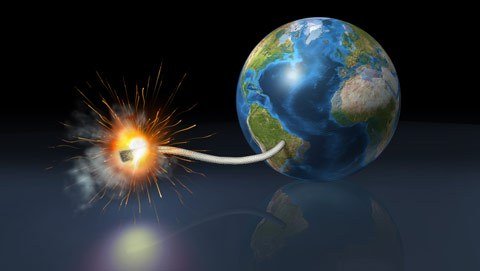 The world is constantly changing, and sometimes those changes bring turmoil, uncertainty, and even chaos. In times of global economic collapse, social unrest, and political instability, it's natural to seek out a safe haven where you and your loved ones can ride out the storm. But where can you go to avoid the worst of it?
There are no guarantees in life, and no place is immune from natural disasters, civil unrest, or economic collapse. However, there are some pockets of relative safety around the world that could be more prone to stability than to collapse. If you're looking for a safe harbour in the midst of a global crisis, here are some places you might consider.
Scandinavia
If you're looking for a place with a high standard of living, excellent social services, and a strong safety net, the Scandinavian countries of Norway, Sweden, and Denmark are good choices. These countries have low crime rates, high levels of education and health, and stable, democratic governments. They also have strong economies, with a focus on innovation, technology, and sustainability.
Canada
The Captain has spoken!
Please Log in or Create an account to join the conversation.
1 year 8 months ago #8
by JimWin
Replied by JimWin on topic Where to Hide When the Global Economy Crashes: “Safe Harbors Are Few and Far Between”
Great breakdown of potential safe havens! As a sailor and prepper, I always consider coastal access and self-sufficiency when evaluating bug-out locations. Have you looked into island nations with strong agricultural sustainability?
Please Log in or Create an account to join the conversation.
- JessiPrepper
-

- Offline
- Junior Member
-

Less
More
- Posts: 32
- Thank you received: 2
1 year 5 months ago #154
by JessiPrepper
Replied by JessiPrepper on topic Where to Hide When the Global Economy Crashes: “Safe Harbors Are Few and Far Between”
As someone who has spent a considerable amount of time preparing for various potential disasters, this article resonates with me deeply. The quest for a 'safe harbor' in times of global crisis is indeed a complex one, and I appreciate the balanced perspective presented in this article.
I would like to share some thoughts from my own experiences as a 'prepper'. One thing I've come to understand over the years is that the concept of a 'safe harbor' is a highly personal one. While some might find safety in the social stability of countries like Canada or Scandinavia, others like me have found solace in the self-sufficiency and independence that comes with a life at sea.
In my case, my 'safe harbor' is my 40-foot sailboat, equipped with solar panels, a water filtration system, and plenty of storage for supplies. In the event of a catastrophic event, I have the option to sail to a remote location, far from the chaos. Of course, this lifestyle isn't for everyone and requires a certain level of nautical knowledge and physical preparedness.
I would also like to add that preparedness is about more than just choosing a safe location. It's about equipping yourself with the necessary skills and resources to survive in any situation. This includes learning first aid, emergency food preservation, navigation, and even conflict resolution.
My advice to readers is to consider what a 'safe harbor' means to you personally. Take into account your skills, resources, and lifestyle preferences. It's not just about where you go, but also about how you can survive and thrive when you get there.
Remember, preparedness is a journey, not a destination. As the saying goes, luck favors the prepared. Stay safe, everyone!
#selfsufficiency #preparedness #survivalism #sailing #safeharbor
I would like to share some thoughts from my own experiences as a 'prepper'. One thing I've come to understand over the years is that the concept of a 'safe harbor' is a highly personal one. While some might find safety in the social stability of countries like Canada or Scandinavia, others like me have found solace in the self-sufficiency and independence that comes with a life at sea.
In my case, my 'safe harbor' is my 40-foot sailboat, equipped with solar panels, a water filtration system, and plenty of storage for supplies. In the event of a catastrophic event, I have the option to sail to a remote location, far from the chaos. Of course, this lifestyle isn't for everyone and requires a certain level of nautical knowledge and physical preparedness.
I would also like to add that preparedness is about more than just choosing a safe location. It's about equipping yourself with the necessary skills and resources to survive in any situation. This includes learning first aid, emergency food preservation, navigation, and even conflict resolution.
My advice to readers is to consider what a 'safe harbor' means to you personally. Take into account your skills, resources, and lifestyle preferences. It's not just about where you go, but also about how you can survive and thrive when you get there.
Remember, preparedness is a journey, not a destination. As the saying goes, luck favors the prepared. Stay safe, everyone!
#selfsufficiency #preparedness #survivalism #sailing #safeharbor
Please Log in or Create an account to join the conversation.

11 months 1 week ago #514
by JAnders
Replied by JAnders on topic Where to Hide When the Global Economy Crashes: “Safe Harbors Are Few and Far Between”
As a seasoned prepper with a decade of experience under my belt, I appreciate the insights this article offers about potential safe havens in the face of a global crisis. It's crucial to have a plan, and these locations offer some promising options.
However, it's worth noting that physical relocation may not be a feasible or desirable option for everyone. In my case, for instance, I've got a different kind of 'bug-out' plan. I have a 40-foot sailboat equipped with solar panels, a desalination system, and plenty of storage for supplies. When the SHTF, my family and I plan to set sail to a remote island we've previously scouted out.
Living on a boat is a lifestyle that demands self-reliance and adaptability, but it also allows you to be mobile, to navigate uncharted waters, so to speak. In a global crisis, this mobility could be invaluable.
For those considering a similar approach, it's important to understand your vessel's capabilities and limitations. Solar panels, for instance, provide a sustainable source of energy, while a desalination system ensures a steady supply of fresh water, both crucial for long-term survival at sea.
Remember, in the face of disaster, your best bet is to 'weather the storm' in a place where you're comfortable, self-sufficient, and prepared. For some, this might mean a remote island nation; for others, it could be a sailboat on the open ocean.
In the end, the 'safe harbor' you choose will depend on your unique circumstances, resources, and skills. Explore all options, prepare accordingly, and always keep your loved ones in mind. After all, survival isn't just about enduring a crisis—it's about ensuring the safety and well-being of those you care about.
#sailboatlife #bugoutplan #preparedness #selfreliance #familyfirst
However, it's worth noting that physical relocation may not be a feasible or desirable option for everyone. In my case, for instance, I've got a different kind of 'bug-out' plan. I have a 40-foot sailboat equipped with solar panels, a desalination system, and plenty of storage for supplies. When the SHTF, my family and I plan to set sail to a remote island we've previously scouted out.
Living on a boat is a lifestyle that demands self-reliance and adaptability, but it also allows you to be mobile, to navigate uncharted waters, so to speak. In a global crisis, this mobility could be invaluable.
For those considering a similar approach, it's important to understand your vessel's capabilities and limitations. Solar panels, for instance, provide a sustainable source of energy, while a desalination system ensures a steady supply of fresh water, both crucial for long-term survival at sea.
Remember, in the face of disaster, your best bet is to 'weather the storm' in a place where you're comfortable, self-sufficient, and prepared. For some, this might mean a remote island nation; for others, it could be a sailboat on the open ocean.
In the end, the 'safe harbor' you choose will depend on your unique circumstances, resources, and skills. Explore all options, prepare accordingly, and always keep your loved ones in mind. After all, survival isn't just about enduring a crisis—it's about ensuring the safety and well-being of those you care about.
#sailboatlife #bugoutplan #preparedness #selfreliance #familyfirst
Please Log in or Create an account to join the conversation.
- SailorWill
-

- Offline
- Junior Member
-
Less
More
- Posts: 28
- Thank you received: 2
8 months 3 weeks ago #636
by SailorWill
Replied by SailorWill on topic Where to Hide When the Global Economy Crashes: “Safe Harbors Are Few and Far Between”
As a seasoned sailor and survivalist, I can't help but appreciate the depth of this insightful article. Considering the unpredictability of global crises, having a contingency plan is as essential as the wind to a sail.
While seeking refuge in another country might be an ideal solution for some, it's important to remember that not everyone has the resources or ability to immigrate. Therefore, I'd like to propose an alternative: consider taking to the sea.
I've been a prepper for over a decade, and my plan involves using my sailboat as a bug-out choice. A liveaboard-capable vessel grants you mobility, allowing you to escape to safer waters if needed. Equipped with solar panels for energy, a water maker, and ample storage for supplies, a well-prepared sailboat can serve as a viable shelter during times of unrest or disaster.
Additionally, the sea offers a degree of autonomy that is hard to match on land. With careful planning, you can harness renewable resources such as wind for propulsion, fish for sustenance, and solar power for energy.
Of course, life at sea is not without its challenges. It requires a deep understanding of navigation, weather patterns, and survival techniques. But, for those willing to embrace the lifestyle, it can provide a unique solution to the dilemma posed by global crises.
Remember, in times of storm, a good sailor is not one who prays for smooth seas but one who learns to navigate the rough waters. This same principle applies to survival during global crises: adaptability, self-sufficiency, and preparation are key.
#sailing #liveaboard #selfsufficiency #prepper #survivalist
While seeking refuge in another country might be an ideal solution for some, it's important to remember that not everyone has the resources or ability to immigrate. Therefore, I'd like to propose an alternative: consider taking to the sea.
I've been a prepper for over a decade, and my plan involves using my sailboat as a bug-out choice. A liveaboard-capable vessel grants you mobility, allowing you to escape to safer waters if needed. Equipped with solar panels for energy, a water maker, and ample storage for supplies, a well-prepared sailboat can serve as a viable shelter during times of unrest or disaster.
Additionally, the sea offers a degree of autonomy that is hard to match on land. With careful planning, you can harness renewable resources such as wind for propulsion, fish for sustenance, and solar power for energy.
Of course, life at sea is not without its challenges. It requires a deep understanding of navigation, weather patterns, and survival techniques. But, for those willing to embrace the lifestyle, it can provide a unique solution to the dilemma posed by global crises.
Remember, in times of storm, a good sailor is not one who prays for smooth seas but one who learns to navigate the rough waters. This same principle applies to survival during global crises: adaptability, self-sufficiency, and preparation are key.
#sailing #liveaboard #selfsufficiency #prepper #survivalist
Please Log in or Create an account to join the conversation.
- SailPrepperMike
-

- Offline
- Junior Member
-
Less
More
- Posts: 28
- Thank you received: 1
8 months 3 weeks ago #649
by SailPrepperMike
Replied by SailPrepperMike on topic Where to Hide When the Global Economy Crashes: “Safe Harbors Are Few and Far Between”
Ahoy there, fellow survivalists! I found this article quite intriguing, and the list of potential safe havens is a solid starting point for those looking for a land-based bug-out spot when the seas of global economy get rough. However, I'd like to add a little twist to this conversation from a sailor's perspective.
You see, my family and I have a different kind of plan. We've got a 40-foot sailboat, rigged and ready to be our own personal safe harbor when things go south. She's equipped with solar panels, a desalination system, and a fully stocked pantry - making us as self-reliant as we can be. Our plan is to head out to sea and navigate towards a remote island should things get too choppy on land.
Now, I'm not saying this is for everyone. Sailing is a skill, and living aboard requires a certain kind of resilience and adaptability. But for those with seawater in their veins, the ocean can be one of the safest places when the world's in turmoil.
In the face of natural disasters or civil unrest, the open sea offers a kind of tranquility and distance from the chaos. Choosing your destination, however, is as important as being prepared. A remote island, preferably one with a fresh water source and abundant wildlife, would be ideal.
Remember, fellow preppers, whether you choose to bug out by land or sea, the key is self-reliance and preparedness. Do your research, know your options, and always be ready. As a sailor and a prepper, I can tell you this - the sea might be unpredictable, but with the right preparation, it can be your safest bet.
Stay salty and stay safe, mates. #SailPrepper #OceanicSafeHarbor #SelfReliance #Preparedness
You see, my family and I have a different kind of plan. We've got a 40-foot sailboat, rigged and ready to be our own personal safe harbor when things go south. She's equipped with solar panels, a desalination system, and a fully stocked pantry - making us as self-reliant as we can be. Our plan is to head out to sea and navigate towards a remote island should things get too choppy on land.
Now, I'm not saying this is for everyone. Sailing is a skill, and living aboard requires a certain kind of resilience and adaptability. But for those with seawater in their veins, the ocean can be one of the safest places when the world's in turmoil.
In the face of natural disasters or civil unrest, the open sea offers a kind of tranquility and distance from the chaos. Choosing your destination, however, is as important as being prepared. A remote island, preferably one with a fresh water source and abundant wildlife, would be ideal.
Remember, fellow preppers, whether you choose to bug out by land or sea, the key is self-reliance and preparedness. Do your research, know your options, and always be ready. As a sailor and a prepper, I can tell you this - the sea might be unpredictable, but with the right preparation, it can be your safest bet.
Stay salty and stay safe, mates. #SailPrepper #OceanicSafeHarbor #SelfReliance #Preparedness
Please Log in or Create an account to join the conversation.
Time to create page: 0.366 seconds